How to Tell a Cable Has Failed
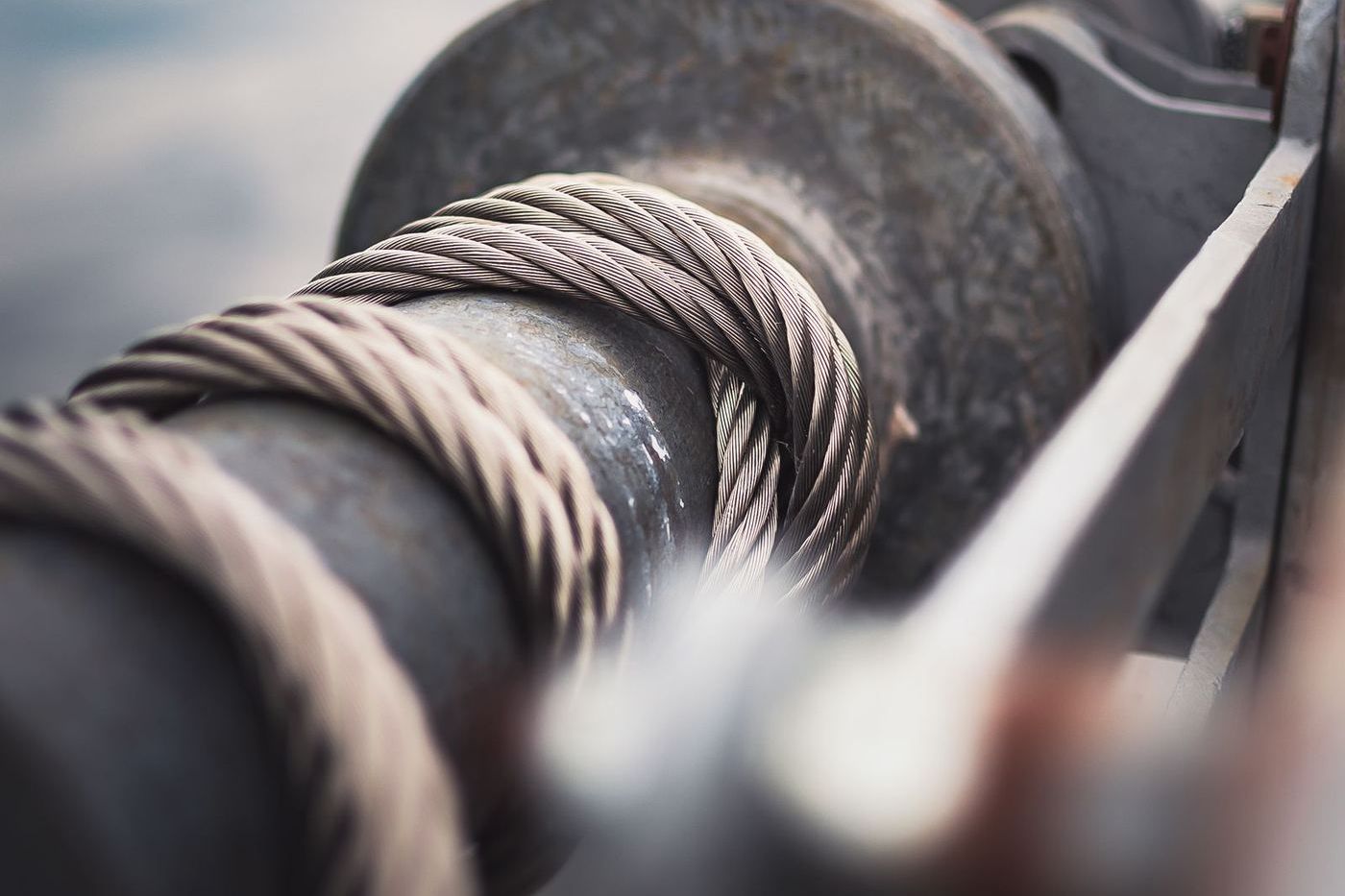
Garage door cables are the quiet part of the system. Two lengths of braided steel run from a bracket at the bottom corner of the door up to a grooved drum at each end of the torsion shaft. As the spring winds, the drums wind the cable and the door lifts. Nobody thinks about them until one snaps.
The signs are visual rather than audible. One corner of the door sits noticeably lower than the other and the whole door looks twisted in the opening. There may be a length of loose cable hanging down beside the track, or a bird's nest of slack wire wrapped around a drum. The door may have stopped part way up and refused to go further.
Sometimes the warning comes earlier. Run your eye down the cable where it meets the bottom bracket and look for broken strands standing out from the braid, rust staining, or a section that has gone thin and shiny where it has been rubbing. A cable that looks fuzzy is a cable that is on its way out. Catching it there is a great deal cheaper than catching it afterwards.
A crooked door is not a door to test. Once a cable has gone, the door is being held by the remaining cable, the spring and whatever the rollers are jammed against. Pressing the button pulls it further out of square, and a door that comes fully off its track can twist the sections badly enough to need replacing. Leave it and call.
Why Cables Fail on Waco Doors
Corrosion does most of the damage, and it starts at the bottom. The lower few inches of each cable sit right at slab level, where water runs in under the weatherseal after a Central Texas downpour and then sits. Garages that flood even slightly during heavy rain, which describes plenty of properties near the Brazos bottom and around the older drainage in East Waco, put their cables in standing water several times a year.
Humidity finishes what the water starts. The cable is steel under constant tension, and once the outer strands begin to rust the braid loses its ability to share load evenly. Strands part one at a time. By the time you can see the fraying, the cable is running on a fraction of its rated strength.
The other cause is mechanical. A door that is out of balance, or one whose track is slightly out of alignment after a knock, makes the cable rub where it should run clean. Grit is a factor too. Out toward China Spring and the county roads, caliche dust off unpaved drives works into the drum grooves and acts like a file on the cable every cycle.
Cables also fail as collateral damage. When a torsion spring lets go, the shaft can unwind fast enough to throw a cable off its drum or snap it outright. If your cable went at the same moment you heard a bang, look at the spring as well.
What the Repair Involves
The door is clamped in position first so it cannot drop while the tension is off. The spring tension is released with winding bars, the old cables come off the bottom brackets and the drums, and new cables are fitted and seated in the drum grooves. Both drums are then set so the cable tension is even on each side, the spring is rewound, and the door is cycled and checked for balance and square.
Getting the drums right is the part that matters. If one drum is set even slightly differently from the other, the door lifts unevenly, one cable carries more than its share, and the new cable will fray in the same place as the old one. A door that has been repaired properly runs level all the way up with no side-to-side drift.
While the tension is off, the bottom brackets are worth a look. They take the full pull of the cable and the fixings into the door section can work loose or tear out of a rusted panel. So are the end bearing plates the shaft runs in, which wear on the same timescale as the cables.
What often gets fixed at the same time
- Rollers that were dragged out of alignment when the door went crooked
- A section of track bent where the door pushed against it
- The matching cable on the other side, which is the same age and condition
- Bottom brackets that have corroded or pulled loose
- Spring balance, reset once the cables are running evenly
Why Bottom Brackets Are Not a DIY Part
The bottom bracket on each side of the door is under the full tension of the cable whenever the door is down. Unbolting one without first clamping the door and releasing the spring tension lets that energy go all at once, and the bracket becomes a projectile. Manufacturers mark these brackets with a warning label for exactly that reason. If you are inspecting cables, look and do not unbolt.
Getting It Looked At
Call and describe what you can see: which corner is low, whether there is loose cable visible, whether the door is fully down or stuck part way, and whether you heard a bang. If the door is jammed at an angle, say so, because it may need to be freed from the track before anything else happens.
You get the price before any work starts, with no obligation. Related pages: broken spring repair, off track door repair, roller replacement and repair costs in Waco.